Memory and attention are affected by many factors, including sleep, stress, hydration, medication, nutrition, and health conditions. A beverage choice alone cannot identify the cause of an individual concern, and avoiding a particular drink does not guarantee a memory improvement.
Foods and drinks to limit
The three beverage categories referenced in the ad
These are practical categories to review within an overall balanced routine. They are not presented as a diagnosis, treatment, or guaranteed solution.
Sugar-Sweetened Drinks
Examples include regular soda, sweetened tea, and fruit-flavored drinks with substantial added sugar. U.S. dietary guidance recommends limiting added sugars.
High-Caffeine Energy Drinks
Caffeine amounts vary widely. Excess caffeine can disrupt sleep or cause unwanted effects, which may affect next-day attention and mental performance.
Alcoholic Drinks
Heavy or inappropriate alcohol use can affect thinking and memory and may interact with medication. Some adults should avoid alcohol completely.
The manufacturer materials do not identify a special prohibited-food list for MemoFlow. Sources: Dietary Guidelines for Americans, FDA caffeine guidance, and NIA alcohol guidance.
Foods and drinks to include
Choices commonly included in memory-supportive eating patterns
No single food or drink has been proven to improve memory on its own. Mediterranean- and MIND-style patterns are frequently studied in connection with cognitive health, although the evidence remains mixed.
The National Institute on Aging states that healthy eating patterns may have potential cognitive-health benefits, but more research is needed. It also notes that no specific food has been shown to prevent age-related cognitive decline. Review the NIA overview.
Product information
What to know about MemoFlow
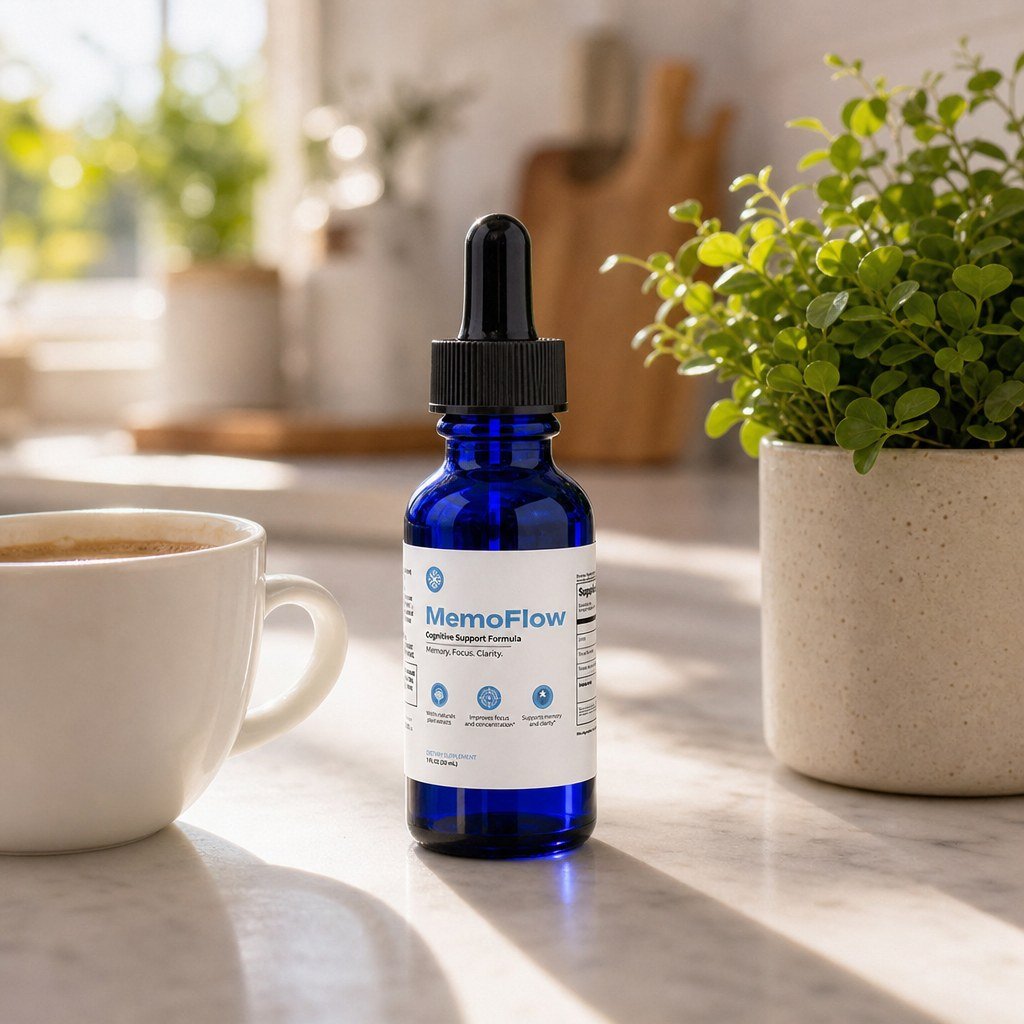
MemoFlow is marketed as a sublingual dietary supplement for adults seeking everyday support for focus, memory, and cognitive wellness. It is not a medicine and is not intended to diagnose or treat any condition. Healthy sleep, activity, nutrition, hydration, and appropriate medical care remain important.
Sublingual dietary supplement drops
The liquid product is supplied in a dropper bottle for use according to its current label.
Ikarian Mountain Honey Extract
A source of anthocyanins included in the antioxidant-support formula. The cited studies did not test MemoFlow or this specific extract.
Lithium Orotate
A supplemental form of lithium. The cited study is preclinical safety research, not evidence of cognitive efficacy in humans.
Follow the current product label
The manufacturer materials call for two drops under the tongue each morning. Do not exceed the label directions. If the current label differs, follow the label.
Safety and ordering
Important points before using or buying
Dietary supplements are not substitutes for a varied diet or appropriate medical care. Individual experiences can vary.
What to review at checkout
- Final price, quantity, shipping cost, and billing details.
- The current supplement label and complete seller terms.
- Seller contact details and order confirmation information.
- Guarantee eligibility, deadlines, return steps, and other conditions.